- Open 24/7, Monday to Sunday
- Serving Carroll County
Common Baltimore jobs
Baltimore Dumpster Rental fits the work and access
The right container depends on what Baltimore crews are removing, how it reaches the loading point, and where the truck can safely set equipment. These common job types help narrow the conversation before dispatch.
Residential Cleanout Dumpsters
Baltimore rowhouse cleanouts often involve basement contents, old appliances, and furniture moved through narrow rear access. Choose capacity after checking stairs, alley width, and the space needed beside the property.
Home cleanupHome Renovation Dumpsters
Kitchen and bathroom renovations in older Baltimore homes produce cabinets, flooring, drywall, and fixtures in stages. Keep the loading area clear and identify whether the truck will approach from the front or rear.
Remodel debrisRoofing Debris Dumpsters
Roof work near Baltimore rowhouses requires attention to alley clearance, tear-off staging, and overhead lines. Place the container where roofers can load safely without narrowing a shared lane or blocking neighboring access.
Roof replacementYard Waste Dumpsters
Baltimore yard projects may involve storm-damaged limbs, brush, soil, or landscaping material. Separate restricted materials before loading and explain whether the container will sit on a driveway, lot, or alley approach.
Outdoor cleanupMoving and Estate Cleanout Dumpsters
Moving and estate cleanouts around Baltimore can combine household goods, fixtures, and boxed contents. A planned placement near the entry reduces carrying distance while preserving access for neighbors and movers.
Property transitionSame-Day Dumpster Delivery
Same-day delivery depends on available equipment, route conditions, and a workable Baltimore placement. Have the address, material list, access notes, and preferred set point ready before the request is reviewed.
Urgent project
Baltimore access planning
How Dumpster Rental Baltimore, MD works, start to finish
Dumpster Rental Baltimore, MD: the practical details
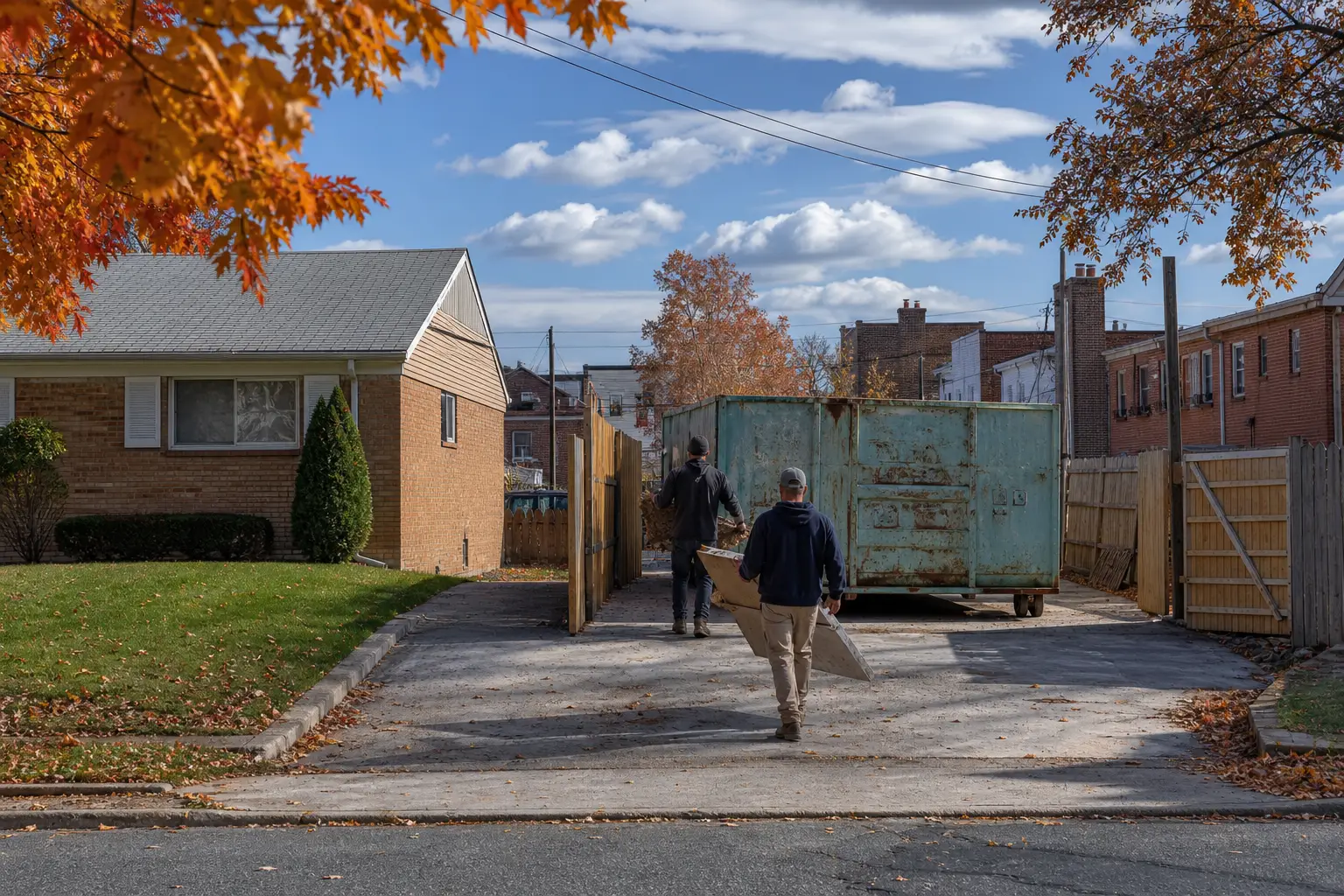
Baltimore properties can be easy to reach from the street and difficult to serve once the truck turns in. Rowhouse blocks may use narrow alleys, shared rear lanes, or compact parking courts. Older neighborhoods often have tight lots, mature trees, overhead wires, and pavement that should not take an avoidable load. Before delivery, Ludovic Dumpster Rental confirms the driveway or loading position, checks clearance, and discusses how the container will be placed. That matters more here than simply choosing a size. A container that fits the debris but blocks a neighbor, garage, alley, or fire access route is not a good placement.
The city also changes how a project is loaded. Renovation debris from rowhouses may come out through a rear door, basement stair, or narrow side passage rather than a broad suburban driveway. In commercial areas, curb activity, delivery lanes, and pedestrian movement can limit where equipment sits. If a container must occupy a public street, permission from the appropriate authority may be needed first. Tell Ludovic Dumpster Rental the exact location, access route, surface, and material before scheduling so the placement plan reflects the property rather than a generic address.
Weather deserves attention on Baltimore jobs. Wet springs can soften unpaved access, summer storms can move loose material, and winter freeze and thaw can expose weak pavement or create uneven approaches. Cover the container only as required for the material, keep debris below the fill line, and do not bury heavy material beneath household waste. Ludovic Dumpster Rental serves the area from Sykesville and coordinates delivery details for Baltimore homes, contractors, and commercial properties. Availability is 24/7, Monday to Sunday, but an exact arrival depends on the route, access, and agreed placement conditions.
Before delivery
Prepare your Baltimore property for the container
- Measure the Baltimore driveway or alley approach, including overhead wires, gates, trees, and turning space.
- Reserve the agreed Baltimore placement area and remove vehicles, loose tools, and low branches.
- Tell the dispatcher whether rowhouse debris comes through a basement, rear door, stairway, or shared alley.
- Separate concrete, soil, roofing, appliances, and other materials before loading the Baltimore dumpster.
- Check whether a public street placement requires local permission before scheduling the delivery.
Contractor planning
Baltimore construction work needs a placement plan
Contractors working in Baltimore should treat the dumpster position as part of the site plan, not an afterthought. A rowhouse renovation may require the container in a rear alley, while a commercial project may need room beside a loading zone or construction entrance. Confirm the approach, overhead clearance, surface condition, and distance from the active work area before equipment is assigned. Concrete, roofing material, masonry, and soil may require a different capacity choice than mixed interior debris. If the site changes after delivery, the container may no longer be accessible for a safe swap. Share the project sequence, material type, and expected loading location so the equipment plan matches the work.
Swaps are planned around the actual Baltimore site, not just the requested date. A contractor should identify where the first container will sit, how full it can become before access is lost, and whether crews need the replacement at the same position. Commercial corridors can have deliveries, pedestrians, parked vehicles, and changing work zones throughout the day. A clear approach helps the truck reach the container without crossing unstable ground or interfering with active operations. Public placement may require prior permission, and private property rules can also affect access. Ludovic Dumpster Rental confirms clearance and placement details before every delivery, giving the crew a specific position to work from rather than leaving the driver to improvise.
Baltimore answers
Questions about dumpster service in Baltimore
Can a dumpster go in a Baltimore rowhouse alley?
A dumpster can sometimes be placed in a Baltimore rowhouse alley when the lane, turning path, overhead clearance, and shared access support safe delivery. The alley must remain usable for neighbors and other required access. Before scheduling, provide the exact alley entrance, width, surface, gate conditions, and intended placement. Remove parked vehicles and low branches from the approach, and explain whether debris will come from a basement or rear door. If the alley is public, local permission may apply before equipment is set there.
What dumpster size works for a Baltimore home renovation?
The right size for a Baltimore home renovation depends on the material volume, project scope, and available loading space. A bathroom or kitchen update may need less capacity than a whole-home cleanout, while roofing, masonry, and dense materials can change the choice quickly. Older rowhouses often have limited staging areas, so access matters as much as capacity. List the rooms being changed, the materials being removed, and whether the container will sit in a driveway, alley, or street before selecting a tier.
How do I prepare a Baltimore driveway for dumpster delivery?
Prepare a Baltimore driveway by clearing the planned set point, checking for low branches and wires, and confirming the truck can approach without tight turns or blocked parking. Do not assume a wide street means the driveway is usable. Older pavement, slopes, gates, retaining edges, and soft ground can affect placement. Move vehicles and loose objects, identify the strongest surface, and provide a clear description of the approach. Ludovic Dumpster Rental can then review clearance and placement details before the delivery is dispatched.
Can contractors schedule dumpster swaps for Baltimore commercial projects?
Contractors can discuss dumpster swaps for Baltimore commercial projects by providing the site address, material type, container position, access route, and expected loading sequence. A swap works best when the approach stays clear and the replacement can occupy the same safe position without interfering with deliveries, pedestrians, or active work. Commercial corridors may change during the project, so report new barricades, lane restrictions, or staging areas before the scheduled move. Keep the container below its fill line so removal remains practical.
What cannot go in a Baltimore dumpster?
The allowed material list depends on the container, disposal requirements, and the type of debris generated at the Baltimore property. Common project materials may be acceptable, but liquids, hazardous substances, certain appliances, regulated materials, and other restricted items need separate handling. Do not mix unknown containers or suspected hazardous debris into a renovation load. Make a material list before loading, keep questionable items aside, and describe them during scheduling. That gives Ludovic Dumpster Rental a chance to explain what belongs in the container and what needs another disposal route.
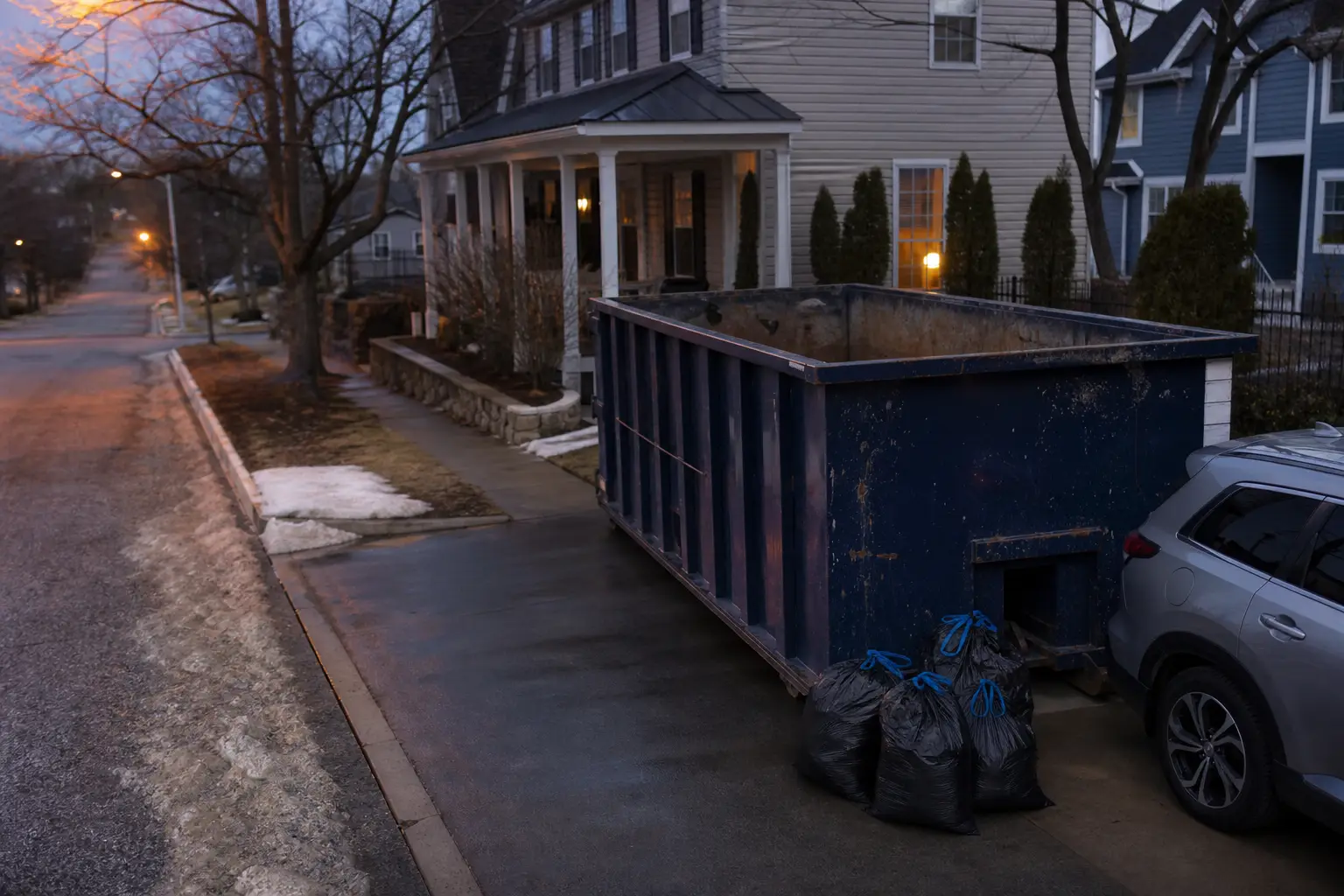
Plan the Baltimore placement before loading starts
Have the property address, debris type, preferred container size, access route, and placement area ready. Ludovic Dumpster Rental can review the job details and explain the practical next step for your Baltimore project.
Click Here to Call(667) 478-0584Baltimore service area
Dumpster delivery across Baltimore neighborhoods
Ludovic Dumpster Rental handles Baltimore placements where rowhouse alleys, commercial corridors, older driveways, and compact lots affect delivery. Service planning can include downtown properties, neighborhood renovations, residential cleanouts, and contractor sites. Tell us the exact street, access direction, surface, and intended set point so the route and equipment discussion reflects the property. The crew also serves Baltimore projects that need careful coordination around shared lanes, parking, pedestrians, or active construction access.